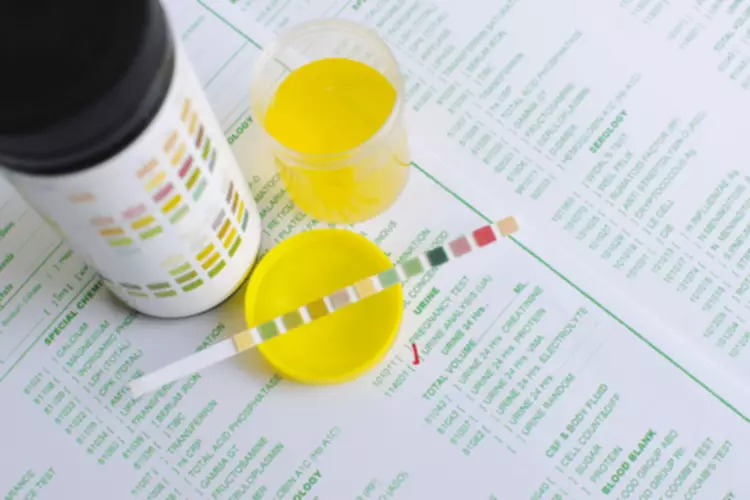
How Long Does MDMA Stay In Your System? Ecstasy Detection Window

how long does mdma stay in pee

It is possible that there could be a longer look back period but there are no conclusive studies and no way to give an exact look back period. Dr. Sanchez realizes the significant need in women’s health, especially in treating pregnant and postpartum patients who are struggling with mental illness. Her passion for her field allowed her to diligently pursue the much-needed training and experience in treating patients who have a comorbid psychiatric diagnosis.

how long does mdma stay in pee

Private outpatient treatment

how long does mdma stay in pee

This is because these are the two most common street terms for MDMA. Tests may also be referred to as “MDMA screen,” “amphetamine/MDMA assay,” and “urine amphetamine / MDMA panel.” They can detect MDMA metabolites in urine, blood, and saliva samples. The presence of ecstasy can be detected in saliva for 2 to 10 hours after use. While MDMA saliva tests are an attractive option due to its non-invasive nature and quick results, most often it is not used for drug tests since the detection window is so short. On average, MDMA can be detected in urine for 1 to 3 days following a single dose. Addicted or regular users of MDMA can have their urine tested positive for up to 4 days or more.

  • If the reported half life of 7 hours is correct, it can be estimated that it will take a total of 1.60 days for ecstasy to be fully cleared from your system.
  • MDMA addicts experience mood-enhancing effects after the rise in serotonin caused by MDMA.
  • Once the liver breaks down MDMA, the drug and its byproducts are excreted in the urine.
  • Over time, the drug is transported to the liver, where it’s broken down.
  • If you or someone you love is struggling with Molly use, The Recovery Village Ridgefield is here to help.

Call Now for Program Availability

how long does mdma stay in pee

Currently, she is pursuing her Licensed Social Worker (LSW) credential, furthering her commitment to professional growth and effective practice. Liza is dedicated to fostering resilience and empowerment in the communities she serves. Marlene is passionate about health equity and reducing disparities to ensure that high-quality care is accessible to everyone. She brings a caring and supportive approach to fostering a positive culture around compliance and continuous how long does mdma stay in pee quality improvement.

Featured Programs

Metabolites are chemical byproducts — or traces — produced while a person’s body processes MDMA. These metabolites remain marijuana addiction present in the urine for approximately 2 to 4 days. Hair tests can detect MDMA for a much more extended period than blood or urine tests.

  • Pizarro et al. (21) described 44.7%total urinary excretion after 100 mg oral MDMA administration to healthy volunteers.
  • This is because knowing how long the effect will last or whether you want to go for an MDMA test or not.
  • Molly, a slang term short for “molecular,” typically refers to the powdered form of pure MDMA.
  • In the process, metabolites, or byproducts, of the drug are produced, which can linger in our blood, urine (and even in our hair) for long after the initial effects of the drug are felt.
  • Saliva and hair tests are less common, but they work in different ways.

The best way to ensure that ecstasy (and its metabolites) have been fully cleared from your system is to stop using the drug, engage in healthy habits, and let time pass. Donna’s love of working with animals extends back many years to when she grew up training and showing horses in her local 4H Chapter and nationally. Of the time she has worked in the industry, more than half has been https://ecosoberhouse.com/ dedicated to Admissions work, which is where she excels. Leila’s deep empathy for those suffering from substance abuse and co-occurring disorders, as well as her compassion for their family members and loved ones, is the motivating force behind her work. She understands that taking that next step is a difficult one and welcomes guiding others on this journey. Aaron has over 30 years of experience in marketing, strategy, leadership and business development .


how long does mdma stay in pee

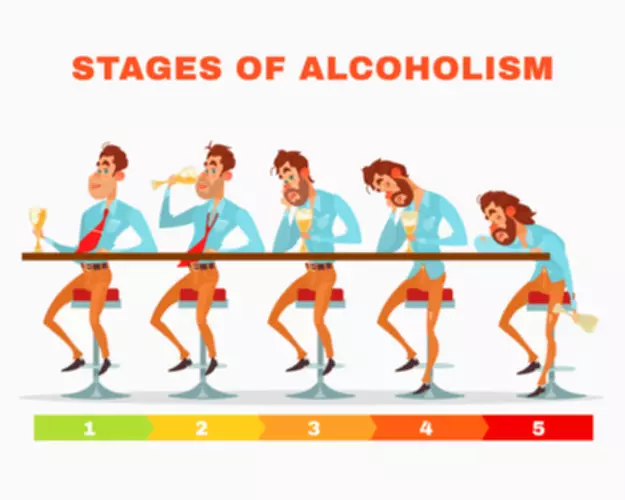
Stages of Alcoholism Early to End-Stage Alcoholism Symptoms

early signs of alcoholism

Alcohol can damage your liver, heart, brain, pancreas, and immune system. Although you realize it’s harming you, a physical or emotional dependence on alcohol can make quitting hard. As the effects of alcohol wear off, you may have trouble sleeping, shakiness, irritability, anxiety, depression, restlessness, nausea, or sweating. Alcohol changes your brain chemistry, and when you drink heavily over a long period of time, your brain tries to adapt. If you suddenly stop drinking, your brain has to adjust again, causing these withdrawal symptoms. Many adolescents who signs of alcoholism participate in underage drinking are unaware of the long-lasting complications that can transpire from alcohol use.

Characteristics of the Late-Alcoholic Stage

Can you think of more than a few times when you came to work with a hangover, missed deadlines, or got behind on schoolwork because of your drinking? When your alcohol use, including being sick from drinking, often prevents you from keeping up with responsibilities at home, work, or school, it’s a problem. Your brain adapts to alcohol over time and can become less sensitive to its effects. If you’re worried that you might have alcohol use disorder, don’t try to quit cold turkey on your own.

  • By honestly answering these questions, you can gain valuable insights into your drinking habits and identify potential areas of concern.
  • While end-stage alcoholism is a dire situation, it’s not a hopeless one.
  • As time goes on, alcoholism progresses, affecting your health and well-being.
  • The final step in this self-assessment is to reflect on how drinking affects various aspects of your life.
  • This is because they only feel the negative effects of alcohol when they stop drinking.
  • Addressing alcohol abuse early can prevent individuals from engaging in risky behavior that could lead to legal consequences.

Recovery

early signs of alcoholism

With excessive alcohol consumption, this important organ can’t metabolize Vitamin D, which could develop into a deficiency. Some common signs and symptoms of cirrhosis include fatigue, itchy skin, weight loss, nausea, yellow eyes and skin, abdominal pain and swelling or bruising. You’ll want to find a rehab center that has medically-supervised detox capabilities so that you can comfortably and safely detox from alcohol. There are inpatient and outpatient options, but an addiction specialist should determine the best level of care for you based on your individual needs. Late-stage, or end-stage alcoholism, is a full-blown addiction to alcohol, almost always requiring alcohol detox to start recovery. The person now spends the bulk of their time servicing the disease by drinking.

What is Alcoholism (Alcohol Use Disorder)?

early signs of alcoholism

There are no quick fixes to addiction, and alcoholism is no different. The safest course of action is to seek treatment in a professional environment that is catered to the individual needs, preferably with holistic treatment. The strong physiological needs of the body may make it difficult for an individual to resist drinking. When they do attempt to stop drinking, they may experience withdrawal symptoms. The body can become distressed even when a person stops drinking for a short time. Visible signs of alcoholism may become apparent during middle-stage alcoholism.

Over time, the liver of a person who drinks heavily can become damaged and cause alcoholic liver disease. While alcohol can temporarily alleviate symptoms of anxiety or depression, it often masks underlying mental health issues rather than resolving them. Over time, alcohol use can https://ecosoberhouse.com/ exacerbate these conditions or even trigger new mental health problems.

  • When that person cuts out alcohol, there is a period when their brain hasn’t yet received the message and still overproduces the stimulating chemicals.
  • The middle stage of alcoholism is when drinking interferes with everyday life.
  • Alcohol can damage your liver, heart, brain, pancreas, and immune system.
  • Between 3 and 5 percent of people withdrawing from alcohol develop grand mal seizures and severe confusion, known as delirium tremens.

early signs of alcoholism

Chronic drinkers are more liable to contract diseases like pneumonia and tuberculosis than moderate drinkers. Drinking a lot on a single occasion slows your body’s ability to ward off infections–even up to 24 hours after getting drunk. Blacking out from drinking too much is a warning sign of this stage, along with lying about drinking, drinking excessively, and thinking obsessively about drinking.

Charitable Care & Financial Assistance

In some cases, the individual may experience delirium tremens — the most severe form of alcohol withdrawal. This can cause agitation, fever, hallucinations, confusion and seizures. For this reason, people who drink heavily and are looking to end their addiction should seek medical assistance.

early signs of alcoholism

Take our short (it takes less than 5 minutes) questionnaire based on the DSM-5 criteria to assess the severity of your alcohol use. Hosted by Amy Morin, LCSW, this episode of The Verywell Mind Podcast shares strategies for coping with alcohol cravings and other addictions, featuring addiction specialist John Umhau, MD. John C. Umhau, MD, MPH, CPE is board-certified in addiction medicine and preventative medicine.

  • Within 5 minutes, you’ll receive an email with these details – free of charge.
  • In the last several decades, a growing number of teens have started abusing alcohol.
  • Of distilled spirits, according to the National Institute on Alcohol Abuse and Alcoholism (NIAAA).
  • Work performance usually suffers at this stage, and impairment in the workplace is common.

To diagnose ALD, a healthcare provider will assess alcohol use, ask about symptoms, and conduct several tests. An assessment of alcohol use will establish when alcohol consumption started, how much a person drinks, and how often. Many people with alcohol use disorders also have underlying mental health issues, making psychiatrists valuable team members. Alcoholism is a complex disease that affects millions of people worldwide. Understanding the four stages of alcoholism can be a crucial step in recognizing the signs and seeking appropriate help. It’s important to remember that alcoholism is a treatable condition, and recovery is possible with the right support and resources.

Cognitive Dissonance Examples and Effects

cognitive dissonance treatment

He has been published in peer-reviewed journals, including the Journal of Clinical Psychology. People like to believe that they are logical, consistent, and good at making decisions. Cognitive dissonance can interfere with the perceptions they hold about themselves and their abilities, which is why it can often feel so uncomfortable and unpleasant. The degree of dissonance experienced can depend on a few different factors.

Social pressures

  • They were asked to rate how interesting they had found the discussion and how interesting they had found the people involved in it.
  • It may not be correct in all of its details, but it upsets the conventional wisdom that came before.
  • Sometimes, the ways that people resolve cognitive dissonance contribute to unhealthy behaviors or poor decisions.
  • School is another catalyst for tension as people are acclimating to a new environment, meeting others and learning new information.
  • Festinger argued that cognitive dissonance is more intense when a person holds many dissonant views and those views are important to them.
  • Kendra Cherry, MS, is a psychosocial rehabilitation specialist, psychology educator, and author of the “Everything Psychology Book.”

It initiated a flurry of studies by researchers who supported reinforcement incentive theories aimed at showing that the result was a mistake. Rosenberg (1965) asked participants to write essays taking a very unpopular position at The Ohio State University. He found that students who wrote the essays in return for a large incentive changed their attitudes more than those who wrote in return for a small incentive. People experience cognitive dissonance for many reasons, but a common trigger is work.

Treatment & Support

cognitive dissonance treatment

Cognitive dissonance is a little different than its evil twin, hypocrisy. But because we want the benefits of presenting ourselves a certain way, we don’t mind the inconsistency in our behavior. This kind of incongruence — called cognitive dissonance — can cause some serious mental discomfort. That’s because if you’re not self-aware, cognitive dissonance can leave you acting and feeling pretty out of character. Cognitive dissonance occurs when a person’s behavior and beliefs do not complement each other or when they hold two contradictory beliefs. It causes a feeling of discomfort that can motivate people to try to feel better.

Decisions

cognitive dissonance treatment

This may be accomplished most readily in the area of health, but can also affect the political and economic realms as well. How do we understand some cognitive dissonance and addiction of the unusual political attitudes of modern democracies that fawn over leaders who seem prepared to compromise those democracies? More than six decades of research in cognitive dissonance should make us confident that we can effect these translations productively. In order to test this proposition, I asked volunteers who had a self-diagnosed phobia about snakes to volunteer for a study designed to help them reduce their fear (Cooper, 1980).

The Drive Properties of Dissonance: Reality or Metaphor?

They suggest that there were no aversive consequences, yet dissonance was aroused. Participants whose dissonance was created by hypocrisy increased their intention to use condoms. Fazio and I concluded that dissonance is ubiquitous but its conceptualization is incomplete. In our view, dissonance begins with a behavior – i.e., it begins when people act. Actions have consequences and it is the perception of those consequences that drives the dissonance process. As cognizant human beings, we assess the results of our actions, including the valence.

  • For example, a small 2019 study notes that dissonance-based interventions may be helpful for people with eating disorders.
  • In one classic example from his original work, he asked what people would feel if they were out in the rain but were not getting wet.
  • Scher & Cooper (1989) compared the role of consistency between cognitions with the role of consequences.
  • That’s why it’s important to recognize what it is and what it feels like — if you don’t, then it will be that much harder to live an authentic life aligned with your personal values.

cognitive dissonance treatment

In the social comparison view, people are motivated to influence others or to succumb to others’ influence in order to satisfy their drive to have correct and appropriate opinions. Mismatches between your beliefs and actions can lead to feelings of discomfort (and, sometimes, coping choices that have negative impacts), but such feelings can also sometimes lead to change and growth. Because people want to avoid discomfort, cognitive dissonance can have a wide range of effects. We may engage in behaviors or adopt attitudes to help relieve the discomfort caused by the conflict.

  • Talking to a coach can help you develop self-awareness and understand the source of your cognitive dissonance.
  • The three important features of his concept were that (1) it is experienced as discomfort, (2) it propels people to take action and (3) people feel more comfortable after the action has been taken.
  • Cognitive dissonance is the psychological tension we feel as we try to reckon with two (or more) opposing pieces of information.
  • Because these participants did not make a decision, they did not have any dissonance to reduce.

Nope, “moderate” alcohol consumption isn’t good for you: Study

drinking again after sobriety

The best thing you can do for a recovering addict that has relapsed is suppress your own feelings of frustration and resentment. Remain supportive, yet firm, from the moment you find out so that you can get their recovery back on track without any further upheaval. Let’s pick apart this powerful phenomenon and find out how to help the recovering alcoholic who has suffered a relapse. By Buddy TBuddy T is a writer and founding member of the Online Al-Anon Outreach Committee with decades of experience writing about alcoholism.

Alcohol Relapse Warning Signs, Prevention, and Treatment

drinking again after sobriety

It involves setting limits on the amount and frequency of alcohol intake, often to maintain these limits within socially acceptable or personally safe boundaries. For some, this approach represents a more flexible and potentially realistic goal, especially for those not fully committed to lifelong abstinence. Alcohol is not good for the body, but it can have a severe impact when an individual with AUD starts drinking again. When alcohol enters the body, the brain, heart, liver, and pancreas can all be affected. Alcohol “interferes with the brain’s communication pathways, and can affect the way the brain looks and works.

Factors Influencing the Feasibility of Controlled Drinking for Alcoholics

Our IOP and clinical services are specifically designed to help clients combat alcohol addiction and reintegrate into society while avoiding triggers that could lead to relapse. The idea is devastating, but it is not uncommon for an alcoholic in recovery to slip up and drink again. This situation is serious not only because it jeopardizes sobriety but also because being exposed to alcohol after a period of abstinence https://ecosoberhouse.com/ can have significant effects on the human system. Your liver metabolizes (breaks down) alcohol and converts it into acetaldehyde, a toxin and carcinogen. Your body eventually breaks acetaldehyde into acetate, but it can damage the liver before this occurs. Every time you drink, acetaldehyde binds to fat cells and proteins in the liver, triggering an inflammatory response that damages and kills liver cells.

Getting Through Detox

Developing a structured routine can help a person stick to their sobriety goals, make healthy decisions, and reduce the likelihood of triggers and relapse. Establishing a routine with regular sleep and support group attendance can reduce stress and help you stay sober. One study found that 68% of people treated in a detox unit experienced moderate alcohol withdrawal symptoms. You can expect certain alcohol withdrawal symptoms such as sleep disruption to occur, though some people can experience seizures and other severe symptoms.

drinking again after sobriety

drinking again after sobriety

Trends like this indicate that the parent might be in trouble and that it may be necessary to step in and ensure everything is okay. Preventing relapse and sustaining recovery demand continuous effort, support, and self-awareness. Strategies that include engaging with support networks, making lifestyle adjustments, managing stress, and drinking again after sobriety seeking professional recovery help are essential components of a successful recovery plan. The journey is marked by victories and setbacks alike, each offering valuable lessons and growth opportunities. In summary, the concept of controlled drinking in the context of alcoholism is fraught with complexities and divergent opinions.

  • Whether it is single use or a boozy bender, there is the risk of alcohol interfering with the body’s normal functioning.
  • To learn more about how to succeed in early recovery, download The Sobriety E-book from DrugRehab.com.
  • Symptoms of dry drunk syndrome should be addressed immediately because they put a person’s sobriety at risk.

Gather Support (For You, Too)

  • It’s a reminder of the importance of staying committed to your recovery journey.
  • It not only involves the body and our behavior, but also our emotions and our thoughts.
  • When recovering alcoholic starts drinking again, they may struggle to limit themselves to just a few drinks, putting their continuous sobriety and well-being at risk.
  • In addition, they cost money and will be ineffective unless taken as prescribed.
  • What type of treatment you need depends on several factors, including the severity of your addiction.

Measuring Alcohol Consumption: Blood Alcohol Concentration

drinking again after sobriety

Commonalities and differences across substance use disorders: phenomenological and epidemiological aspects PMC

compare and contrast psychological dependence on alcohol and physiological dependence on alcohol

While the exact treatment modality may vary depending on the type of dependence, understanding the difference between physical and psychological dependence is crucial for effective management. Psychological dependence is tied to the mental and emotional aspects of substance use. physiological dependence on alcohol This form of dependence is characterized by behaviors like the inability to stop using drugs, using substances to cope with life’s challenges, an obsession with the substance, taking larger doses over time, and experiencing social symptoms like legal and financial issues.

Adults: prevalence of disorder by substance, age of onset of SUD

C) Wistar rat before (left) and after (right) acute binge alcohol gavage for 4 days. Note the ventricular and pericollicular expansion of cerebrospinal fluid (CSF) (red arrows). D) The same animal after 1 week recovery (right), showing return to pre-exposure CSF-filled spaces. In summary, the technology for neurobiological studies was remarkably primitive in 1970, and few laboratories were applying even these limited approaches to understanding neuronal actions of ethanol.

Seek The Joy Of A Sober Life

  • The more an individual indulges in heavy drinking, the greater the risk of encountering severe health complications.
  • In some cases, dual diagnosis treatment may be necessary for individuals who have co-occurring mental health disorders alongside their addiction.
  • The road to recovery from alcoholism requires addressing both its physical and psychological dimensions.
  • It is often helpful to inquire whether the patient prefers “uppers” (stimulants) or “downers” (sedatives).
  • Cognitive-behavioral therapy, in particular, has been found to be effective in helping individuals identify and change problematic behaviors related to substance use.

DIF indicates if criteria show differential endorsement probabilities by demographic or other characteristics, conditional on underlying trait severity. IRT analysis was the principal method used by the DSM-5 SUD workgroup to examine the relationship of abuse to dependence criteria (Hasin et al., 2013b); this literature now numbers over 50 publications. Both physical dependence and psychological addiction can result in withdrawal symptoms if you suddenly quit. If you recognise any of these signs in yourself or others, it’s important you seek professional help.

Hallucinogen, inhalant withdrawal

compare and contrast psychological dependence on alcohol and physiological dependence on alcohol

An outcome of this series of pathological studies was the development the New South Wales Tissue Resource Centre (Sheedy et al. 2008) at the University of Sydney, Australia, funded in part by the NIAAA. More than 2,000 cases of alcoholism and other neuropsychiatric conditions and controls are being obtained prospectively, with extensive antemortem characterization. Postmortem brains undergo standardized preservation procedures, enabling studies, for example, of neurochemical and genetic markers of alcoholism, by researchers throughout the world.

  • More detailed quantitative assessment of gait and balance using walk-a-line testing or force platform technology, however, has revealed an enduring instability in alcoholic men and women even after prolonged abstinence.
  • Definitions of tolerance and withdrawal were taken largely from expert review papers (Gilpin and Koob, 2008, Koob, 2006, Koob and Volkow, 2010, Koob, 2014).
  • These include mouth, throat, and breast cancers, other severe illnesses like bowel, breast, and pancreatic cancers, and problems like high blood pressure, stroke, and coronary alcohol-related heart disease.
  • Being dependent on alcohol is likely to increase your risk of developing several major health issues as a result of alcohol consumption.
  • In conclusion, understanding the distinction between physical and psychological dependence is crucial in addressing substance abuse.

These two aspects of addiction have distinct characteristics and impacts on behavior and the body. Tolerance refers to the body’s adaptation to the presence of a substance, requiring larger amounts to achieve the desired effect. Withdrawal occurs when the substance is abruptly reduced or discontinued, resulting in a range of physical and physiological symptoms. Mid-Stage – Mid-stage alcohol dependence is marked by a loss of control over both cravings for alcohol and drinking habits.

How can I tell if I’m dependent on alcohol?

In addition to these physical symptoms, symptoms of physical dependence can include fear, anxiety, and discomfort during withdrawal, which may lead to lashing out at loved ones. Without supervised detox, there are significant risks, including death, depending on factors such as the duration and amount of substance use. On the other hand, psychological dependence is tied more to the emotional and mental aspects of substance use. This is often characterized by behaviors like the inability to stop using the substance, using the substance to cope with life’s challenges, obsession with the substance, and experiencing social issues such as legal and financial problems as a result of substance use [2].

compare and contrast psychological dependence on alcohol and physiological dependence on alcohol

Drugs & Supplements

  • In conclusion, physical and psychological dependence are two distinct types of addiction.
  • That cueing can enhance remembering of new explicitly learned information by KS patients suggested that retrieval processes are more affected than encoding or consolidation processes.
  • Lastly, you may start to develop a tolerance for alcohol but may not notice it yet.

There are various medications that can help you to withdraw safely while your central nervous system tries to rebalance. A clinical detox is typically carried out on a residential rehab programme where you’ll also receive appropriate nutritional support and round the clock supervision. Whether you struggle with physical or psychological addiction or both, we help you learn the tools you need to overcome at Gateway. At-Risk Stage – Known as the pre-alcoholic stage, this is when you choose to drink socially or at home.

  • If you’re seeking guidance on alcohol addiction, look no further than AlcoholAwareness.org.
  • Ethanol, which we commonly refer to as alcohol, is in a class of psychoactive drugs known as depressants (Figure 4.15).
  • Advancement of this knowledge has been underwritten by 40 years of intramural and extramural funding by the National Institute on Alcohol Abuse and Alcoholism (NIAAA).
  • But, a physical dependence can be thought of as the signs and symptoms a person displays that are tangible.
  • Withdrawal syndromes can last from days to months, with protracted withdrawal syndrome potentially lasting for months, years, or indefinitely.
  • Heavy drinking over a period of years can damage the liver, causing inflammations such as steatosis (fatty liver) alcoholic hepatitis, and fibrosis.

Methadone clinics help people who previously struggled with opioid addiction manage withdrawal symptoms through the use of methadone. Other drugs, including the opioid buprenorphine, have also been used to alleviate symptoms of opiate withdrawal. In reality, they are not the same, but share some commonalities and are often linked.

compare and contrast psychological dependence on alcohol and physiological dependence on alcohol

Physical vs Psychological Alcohol Addiction

Craving paradigms use alcohol beverage stimuli (e.g., a chilled glass of foaming beer) to examine differences between alcoholics and control subjects in brain activation in response to alcohol-relevant stimuli (Myrick et al. 2004; Tapert et al. 2003). These studies have resulted in the identification of alcohol reward brain systems (Makris et al. 2008) (see figure 6). Brain regions commonly invoked in rewarding conditions are the nucleus accumbens and ventral tegmental area. As a point of translation, these brain regions identified in humans also are implicated in animal models of alcohol dependence and craving (Koob 2009).

Blood Thinners: Uses, Side Effects, and Drug Interactions

blood thinners and alcohol

This healthy type of cholesterol helps protect your arteries and prevent the blood clots that can lead to heart attacks and strokes. Eliquis has boxed warnings for the risk of blood clots if stopping Eliquis treatment early and risk of spinal blood clots from certain spinal procedures. Boxed warnings are the most serious warnings from the Food and Drug Administration (FDA). They alert doctors and patients about drug effects that may be dangerous. If you’ve been diagnosed with an abnormal heart rhythm, such as atrial fibrillation or afib, your doctor may recommend taking blood thinners, also called anticoagulants.

Blood Thinners for Atrial Fibrillation

This medication can increase your risk of bleeding and may make active bleeding worse. Your doctor will recommend treating the blood thinners and alcohol bleeding before you start treatment with Eliquis. If you have kidney problems, tell your doctor before starting Eliquis.

blood thinners and alcohol

How can I take blood thinners safely?

  • Treatment with anticoagulants may be recommended if your doctor feels you’re at an increased risk of developing one of these problems.
  • Speak to your GP or anticoagulant clinic if you become pregnant or are planning to try for a baby while taking anticoagulants.
  • Additionally, the National Institute on Alcohol Abuse and Alcoholism (NIAAA) offers guidance on finding treatment and support for AUD.
  • Boxed warnings are the most serious warnings from the FDA.
  • However, higher amounts of alcohol consumption may have the opposite effect and increase the risk of blood clotting.

Ask them what other medications are better options for you. To learn more, see the “Side effects explained” section above. If your doctor confirms you’ve had a serious allergic reaction to Eliquis, they may have you switch to a different treatment. For more information about this side effect, talk with your doctor or pharmacist.

blood thinners and alcohol

Medical Professionals

blood thinners and alcohol

It’s possible for Eliquis to cause kidney-related side effects. But kidney-related side effects were not commonly reported in studies of the drug. The drug is available in strengths of 2.5 milligrams (mg) and 5 mg. But depending on the dosage your doctor prescribes for your condition, you may take as much as 20 mg per day.

Researchers also found decreased rates of coronary artery disease (CAD) and non-fatal stroke among people who drank alcohol compared to those who didn’t. Get emergency medical care immediately if you or someone else has symptoms of severely low blood pressure. According to the Dietary Guidelines for Americans, published by the U.S.

  • They may recommend scheduling your procedure when you’ll have the least amount of Eliquis in your body.
  • When alcohol is in the blood, these receptors do not function as they should.
  • For more information, see the “Warnings for Eliquis” section below.
  • Thrombin inhibitors work by attaching to thrombin, keeping it from assisting clotting processes.

blood thinners and alcohol